Values · 5 min read · 1,167 words
The Four Pillars of Conservative American Values, Explained
Freedom, patriotism, the rule of law, and opportunity �� where each pillar comes from in the American founding, what it asks of citizens, and how the four hold each other up.
Published · Last updated
Editorial Desk — Research, drafting, and fact-checking for The Journal.
Be American Stay Republican™ rests on four pillars: freedom, patriotism, the rule of law, and opportunity. Slogans are cheap, so this article does the harder thing — it explains where each principle actually comes from in the American founding, what it asks of a citizen in practice, and why removing any one of the four causes the other three to buckle.
Why "pillars" and not "policies"
A policy is a specific answer to a specific problem at a specific moment; it should change as circumstances change. A pillar is the load-bearing commitment that policies are judged against. Reasonable people who share all four of these pillars will still disagree about tax rates, trade, or immigration numbers. That is normal and healthy. What the pillars provide is a shared standard for that argument, rather than a script for it.
Pillar one: freedom
The founding claim of American freedom is that rights are not granted by government. The Declaration of Independence asserts that people are "endowed by their Creator with certain unalienable Rights," which places the origin of those rights outside the reach of any legislature. A government that did not give you your rights cannot legitimately treat them as revocable privileges.
We hold these truths to be self-evident, that all men are created equal, that they are endowed by their Creator with certain unalienable Rights, that among these are Life, Liberty and the pursuit of Happiness.
The Bill of Rights then reads less like a list of gifts than a list of restrictions on government. The First Amendment does not create the right to speak or worship; it forbids Congress from abridging them. That distinction is the practical core of the pillar: freedom is protected by limiting power, not by trusting whoever currently holds it.
In daily life this pillar means favoring the smallest workable unit of decision-making — the individual, the family, the congregation, the town — before escalating to the state, and accepting the corollary that other people will use their freedom in ways you dislike. A freedom that only protects agreeable conduct is not a freedom.
Pillar two: patriotism
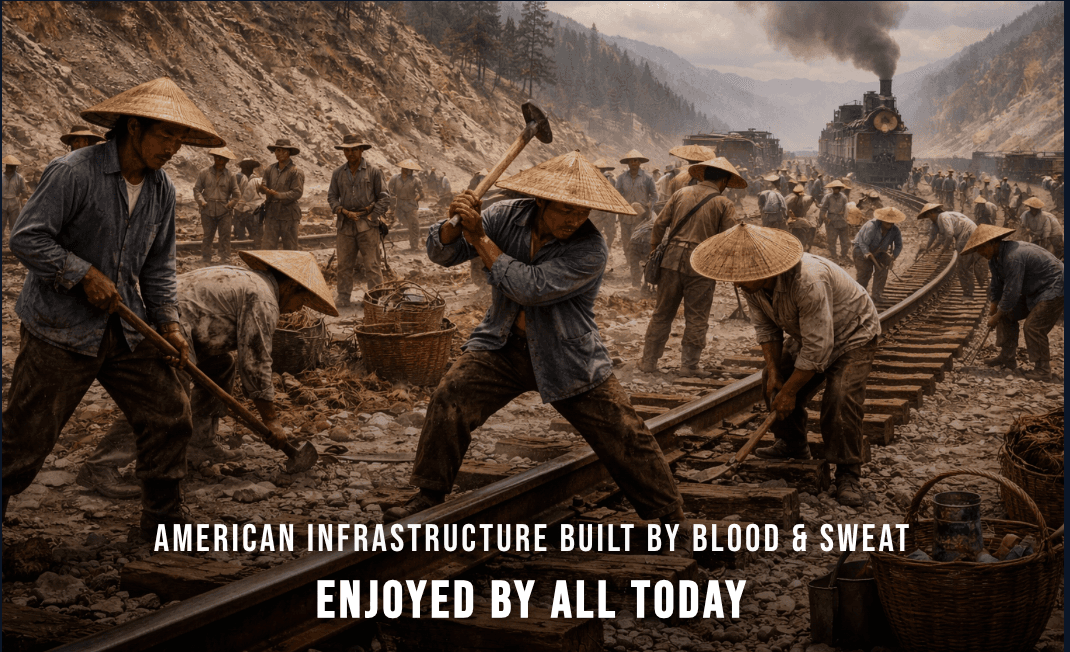
Patriotism here means love of country grounded in gratitude — a recognition that almost everything a citizen inherits, from constitutional government to the infrastructure they use before breakfast, was paid for by people they will never meet. Gratitude is the honest response to an inheritance.
It is worth distinguishing this from two things it gets confused with. It is not the claim that America has never done wrong; a person can be grateful for an inheritance and still name the debts attached to it. Nor is it hostility toward other nations. The most demanding form of patriotism is not celebration but stewardship: leaving the country stronger, freer, and more solvent than you found it.
Pillar three: the rule of law
The rule of law is the principle that law binds everyone equally — including the people who write and enforce it. John Adams captured it in the 1780 Massachusetts Constitution with the phrase "a government of laws and not of men," meaning that authority should rest in known, general, prospective rules rather than in the preferences of whoever is in office.
This is the pillar most easily eroded without anyone repealing anything. It weakens whenever the same statute is enforced vigorously against opponents and loosely against allies, whenever penalties are set by discretion rather than by rule, and whenever the law becomes so voluminous that ordinary citizens cannot know what is required of them. Equal application is not a technicality; it is the entire content of the principle.
The rule of law is also what keeps the first pillar from collapsing. Freedom without enforceable, equally applied law is not liberty but whoever-is-strongest, which is the condition the founders were trying to escape.
Pillar four: opportunity
Opportunity is the promise that where you end up is not fixed by where you started — that work, thrift, skill, and risk can change a family's position within a lifetime. It is deliberately a promise about the openness of the path, not a guarantee about the destination. Guaranteed outcomes require someone to override the choices of free people, which puts them in direct conflict with pillar one.
Taking the pillar seriously has demands attached. It means caring whether the ladder is genuinely climbable: whether small businesses can afford to open, whether licensing rules protect the public or merely protect incumbents, whether schools equip children to compete. A society can honor opportunity rhetorically while quietly regulating the bottom rungs out of existence.
How the four hold each other up
The pillars are not four separate slogans that happen to sit near one another. Each fails without the others.
- ★Freedom without the rule of law degrades into the rule of the strongest.
- ★The rule of law without freedom produces orderly, efficient tyranny — rules applied equally, to everyone, badly.
- ★Opportunity without freedom is just central allocation of who gets to rise.
- ★Patriotism without the other three curdles into loyalty to whoever holds power rather than to the country and its founding commitments.
That interdependence is why we describe them as pillars rather than ranking them. A structure held up by four columns does not have a most important column; it has four that must each carry load.
Living them, not just agreeing with them
Principles at this altitude are worthless unless they descend into conduct. In practice that looks unglamorous: reading a primary source before repeating a claim about it, showing up to local meetings where budgets are actually set, voting in the primaries and municipal races that decide most outcomes, buying from people who make things, sitting on a jury without treating it as an imposition, and holding your own side to the standard you demand of the other. None of it trends. All of it is how the four pillars stay standing.
Frequently Asked Questions
What are the four pillars of Be American Stay Republican?
Freedom, patriotism, the rule of law, and opportunity. Each is drawn from the American founding, and each depends on the other three — freedom without the rule of law becomes disorder, and the rule of law without freedom becomes orderly tyranny.
Is patriotism the same as believing America has never done anything wrong?
No. Patriotism as described here is love of country grounded in gratitude and expressed through stewardship. A person can be grateful for what they inherited and still acknowledge historical wrongs; the two are not in conflict.
What does "rule of law" actually require in practice?
That law is known in advance, general in application, and enforced equally regardless of who is involved — including officials. It erodes when identical conduct is punished selectively or when penalties depend on discretion rather than published rules.
How is opportunity different from equal outcomes?
Opportunity is a commitment to keeping the path open — that effort and skill can change your position. Guaranteeing identical outcomes requires overriding the free choices of individuals, which conflicts directly with the freedom pillar.
Sources & Further Reading
- The Declaration of Independence (transcript) — U.S. National Archives
- The Bill of Rights (transcript) — U.S. National Archives
- Constitution of the Commonwealth of Massachusetts, 1780 (John Adams) — Commonwealth of Massachusetts
- The Federalist Papers — Library of Congress
Spotted an error? See our corrections policy — we publish fixes rather than quietly editing them away.
About the Author
The B.A.S.R Editorial Team
Editorial Desk · Houston, Texas
The B.A.S.R Editorial Team is the small group of writers and researchers who draft and fact-check articles for The Journal. Team-bylined articles are researched collaboratively and reviewed by founder and publisher Rico Sharma before they go live.
→Full profile and editorial roleContinue Reading
Values · 9 min read
What Are Conservative Values? The Meaning and Core Principles Explained
What conservative values mean in America: limited government, free enterprise, the Constitution, family, faith, borders and gun rights, with Pew data on each.
Heritage · 9 min read
Why the Bald Eagle Is America's Symbol: The Great Seal, Franklin's Turkey and the National Bird
From the 1782 Great Seal to national bird in 2024: what the eagle's symbols mean, what Franklin actually said about the turkey, and how it came back from 417 pairs.