Buyer's Guide · 6 min read · 1,436 words
Patriotic T-Shirts: A Buyer's Guide for Men and Women
How to judge fabric weight, fit, print method, and "Made in America" claims before you buy a patriotic T-shirt — plus how to pick the right size the first time.
Published · Last updated
Editorial Desk — Research, drafting, and fact-checking for The Journal.
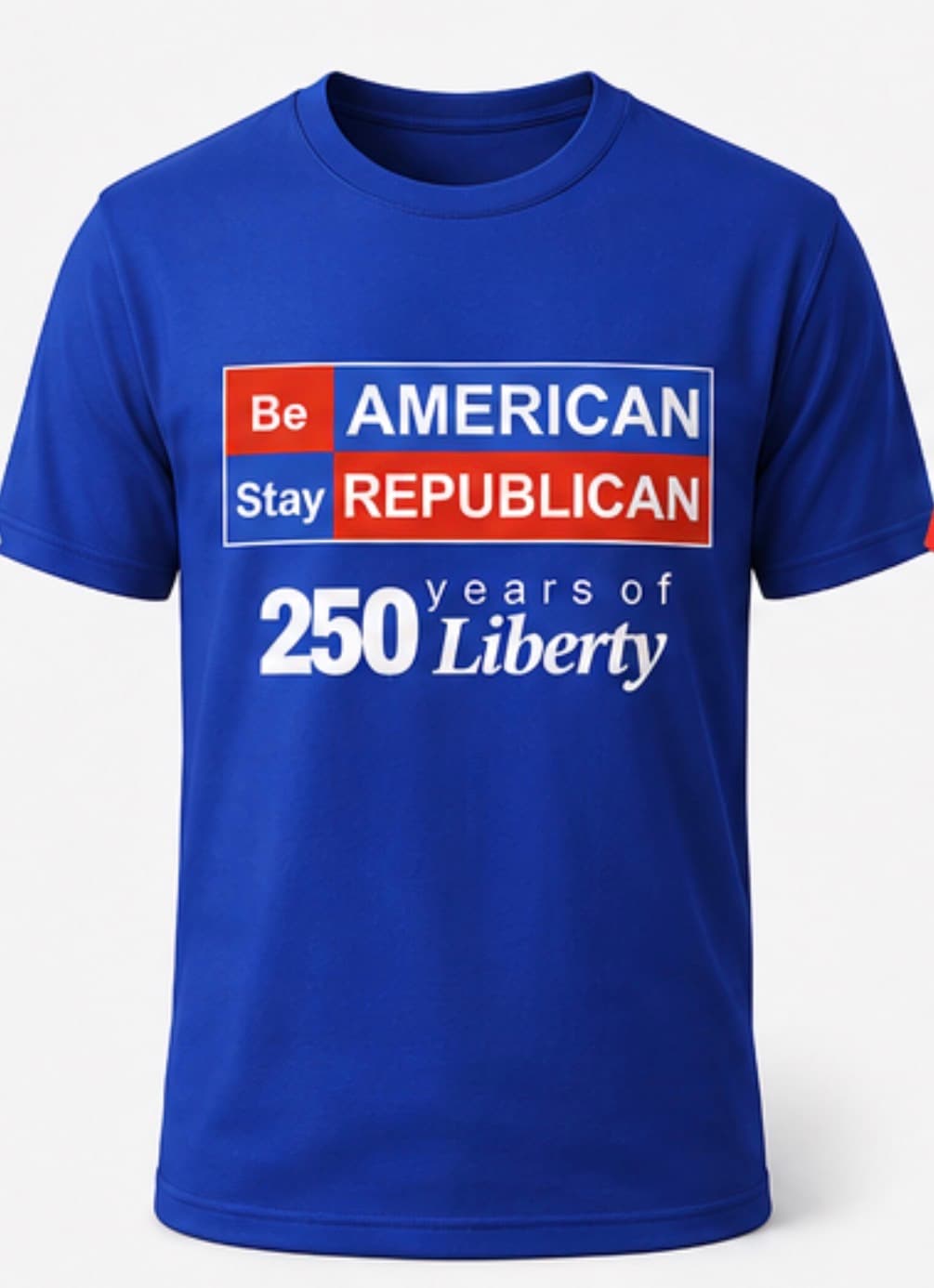
Patriotic T-shirts are easy to buy badly. Most of what turns up in a search is a thin blank with a heat-pressed graphic that cracks after four washes, sold at a price that looks like a bargain right up until the shirt goes in the bin. This guide explains what actually separates a shirt worth owning from a shirt worth avoiding, so you can judge any listing — ours or anyone else's — on the details that matter.
Start with fabric weight, not the graphic
Fabric weight is the single most reliable predictor of how a T-shirt will feel and how long it will last. It is usually given in ounces per square yard (oz/yd²) or grams per square meter (gsm). Anything at or under about 4.2 oz (roughly 140 gsm) is a lightweight tee: cool in July, but often semi-transparent and quick to lose its shape. The middle range, about 5 to 6 oz (170–200 gsm), is the practical sweet spot for a shirt you plan to wear regularly for years. Above 6 oz you are into heavyweight territory, which wears like iron but can feel heavy in Southern summers.
If a product page does not state a fabric weight at all, treat that as information in itself. Sellers who have invested in decent blanks tend to say so, because it is a selling point. Sellers drop-shipping the cheapest available blank usually stay quiet about it.
Ring-spun versus open-end cotton
Two shirts can weigh the same and feel completely different. Open-end (carded) cotton is spun quickly and cheaply, producing a coarser, fuzzier yarn. Ring-spun cotton is spun with the fibers twisted and softened, giving a finer, smoother, stronger yarn. Combed ring-spun goes one step further and removes short fibers and impurities before spinning. If you have ever wondered why one 6 oz shirt feels rough and another feels broken-in from day one, this is usually why.
Fit: unisex, men's, and women's cuts are not interchangeable
Most patriotic tees are sold on unisex blanks, which are cut straight through the body with a wider shoulder and a fuller sleeve. That works well for men and for anyone who prefers a relaxed fit. It fits many women poorly, because the shoulder seam lands wide and the waist has no shaping — which is why a unisex medium can look boxy on a frame it technically fits.
- ★Unisex / classic: straight body, roomier through the chest and waist, sleeves sit slightly wider. Sizes run larger than fitted cuts.
- ★Men's fitted: tapered from chest to waist, shorter sleeve, closer through the body. Order true to size, or size up if you are between sizes.
- ★Women's cut: narrower shoulders, shaped side seams, shorter overall body length. Frequently runs one size small compared with unisex.
- ★Relaxed / oversized: intentionally 1–2 sizes of extra room. Only worth buying deliberately, not by accident.
The practical move is to ignore the letter on the label and measure. Lay a shirt you already like flat, measure the chest from armpit to armpit, and double it. That number is the garment chest measurement, and it is what size charts actually describe. Matching it beats guessing every time.
Print method decides how long the design survives
The graphic is the reason you are buying a patriotic shirt, so it is worth knowing how it got there. Three methods dominate.
- ★Screen printing pushes ink through a mesh stencil, one screen per color. It produces the most durable result on cotton and the best opaque colors on dark fabric. It is the standard for designs printed in volume.
- ★Direct-to-garment (DTG) sprays water-based ink straight into the fibers, like an inkjet printer for fabric. Excellent for photographic detail and small runs; slightly softer color on dark shirts and generally less hard-wearing than screen print.
- ★Heat-transfer vinyl (HTV) presses a cut sheet of vinyl onto the surface. It sits on top of the fabric rather than in it, which is why cheap vinyl shirts crack, peel, and lift at the edges. It is the method most associated with disposable novelty tees.
A quick field test: run your fingers over the design. Screen print and DTG feel largely continuous with the fabric. Vinyl feels like a distinct plastic layer with a raised edge you can trace. That raised edge is where failure begins.
"Made in America" is a regulated claim — hold sellers to it
This matters more in patriotic apparel than in any other category, because the claim is part of the appeal. In the United States, an unqualified "Made in USA" claim is governed by the Federal Trade Commission, which requires that a product be "all or virtually all" made in the United States. Vague flourishes like "American brand," "designed in the USA," or a flag graphic on the tag are not the same claim and carry no such obligation.
Many shirts in this category are honestly described as printed and finished in the United States on imported blanks. That is a legitimate and common arrangement. What matters is that the seller says which one it is instead of leaving you to infer it from patriotic styling. If you specifically want domestic fabric and domestic sewing, look for that stated explicitly, and be prepared for a higher price — because it genuinely costs more.
Color choices that actually hold up
Dark colors — navy, black, military green — hide wear, resist visible fading, and give printed designs strong contrast. White shows crisp color and stays coolest in heat, but shows every stain and eventually greys in hard water. Red is the trickiest: red dye is among the most prone to bleeding on first wash, so wash a new red shirt separately once before assuming it is safe alongside your whites.
Care: the print outlives the shirt or dies in the dryer
Almost all premature print failure comes from heat and abrasion, not from washing as such. Wash inside out in cold water, skip the fabric softener (it coats fibers and dulls prints), and either tumble dry low or hang dry. Never iron directly onto a printed area. A screen-printed cotton tee treated this way will typically outlast several treated carelessly, which makes care the cheapest quality upgrade available.
A short checklist before you buy
- ★Is the fabric weight stated? Aim for roughly 5–6 oz for year-round wear.
- ★Is the cotton described as ring-spun or combed ring-spun?
- ★Which cut is it — unisex, fitted, or women's — and does the size chart give garment measurements?
- ★How is the design printed? Prefer screen print or DTG over vinyl.
- ★What exactly is claimed about country of origin, and is the claim specific?
- ★Are returns and exchanges available if the size is wrong?
Our own shirts are sold in five colors across sizes S through XL at a single price, with a size guide on the product page and a published returns policy — so you can run every question on that checklist against them before ordering.
Frequently Asked Questions
What is a good fabric weight for a patriotic T-shirt?
Around 5 to 6 oz per square yard (about 170–200 gsm) is the practical range for a shirt worn year-round. Lighter than 4.2 oz tends to be thin and semi-transparent; heavier than 6 oz wears extremely well but can feel hot in summer.
Do patriotic T-shirts run true to size?
It depends entirely on the cut. Unisex blanks generally run larger and boxier, fitted cuts run closer, and women's cuts often run about one size smaller than unisex. Measure a shirt you already own flat across the chest and match that to the garment measurements in the size chart rather than relying on the letter size.
Which print method lasts longest on a T-shirt?
Screen printing is generally the most durable on cotton, followed by direct-to-garment printing. Heat-transfer vinyl is the least durable because it sits on the fabric surface and tends to crack or peel at the edges over time.
Does "Made in USA" on a shirt mean the fabric is American?
Not necessarily. An unqualified "Made in USA" claim is regulated by the FTC and requires the product to be all or virtually all made in the United States. Phrases such as "designed in the USA" or "American brand" are different claims. Many shirts are printed and finished domestically on imported blanks, which sellers should state plainly.
How should I wash a printed T-shirt so the design does not crack?
Turn it inside out, wash cold, avoid fabric softener, and tumble dry on low or hang dry. Do not iron directly on the printed area. Heat and abrasion cause most print failure, not washing itself.
Sources & Further Reading
- Made in USA labeling: complying with the Made in USA standard — U.S. Federal Trade Commission
- Textile products identification: care labeling rule — U.S. Federal Trade Commission
Spotted an error? See our corrections policy — we publish fixes rather than quietly editing them away.
About the Author
The B.A.S.R Editorial Team
Editorial Desk · Houston, Texas
The B.A.S.R Editorial Team is the small group of writers and researchers who draft and fact-check articles for The Journal. Team-bylined articles are researched collaboratively and reviewed by founder and publisher Rico Sharma before they go live.
→Full profile and editorial roleContinue Reading
Values · 5 min read
The Four Pillars of Conservative American Values, Explained
Freedom, patriotism, the rule of law, and opportunity �� where each pillar comes from in the American founding, what it asks of citizens, and how the four hold each other up.
Heritage · 6 min read
Why 250 Years of Liberty Still Matters
America turns 250 in 2026. What the signers actually risked, where the founding promise was tested, and what a quarter-millennium of self-government proves.